Osu!
You're locked in a state of pure concentration, your reflexes dancing across the screen in perfect synchronization with the beat. Each note demands your absolute presence—there's no room for distraction, only the meditative rush of hitting the rhythm dead-on.
Osu! is a and open source rhythm game originally created by Australian developer Dean Herbert in 2007. The gameplay is based on the Osu! Tatakae! Ouendan series and primarily involves clicking circles that appear on screen in time with music using a cursor or finger. The game features four rulesets: osu!standard (click circles, sliders, and spinners), osu!taiko (drum-based notes inspired by Taiko no Tatsujin), osu!catch (catching falling fruit), and osu!mania (vertically scrolling key-based notes). Levels, called beatmaps, are created and uploaded by the community, providing a large and constantly expanding library. Players can compete on global leaderboards ranked by performance points or join real-time multiplayer rooms. The game supports keyboard, mouse, and graphics tablet input.

Play with others
Join on Discord →Similar vibe

Divinity: Original Sin
You're commanding a party through a richly interactive world where every choice branches your story in unexpected directions, debating decisions with companions as tactical combat demands careful positioning and resource management. Each turn unfolds deliberately, rewarding creative problem-solving and collaborative scheming whether you're adventuring solo or alongside a friend through shared digital worlds.

Final Fantasy VIII
You're immersed in a deep tactical experience where every decision about magic collection and character junctions shapes your approach to combat. The deliberate, system-heavy gameplay pulls you into long sessions of strategic planning and experimentation.
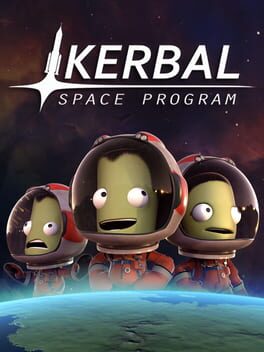
Kerbal Space Program
You're meticulously assembling spacecraft and plotting trajectories, where every decision about fuel, thrust, and orbital mechanics matters. It's a sandbox of experimentation where triumph and catastrophic failure are equally possible, rewarding patience and calculated problem-solving.